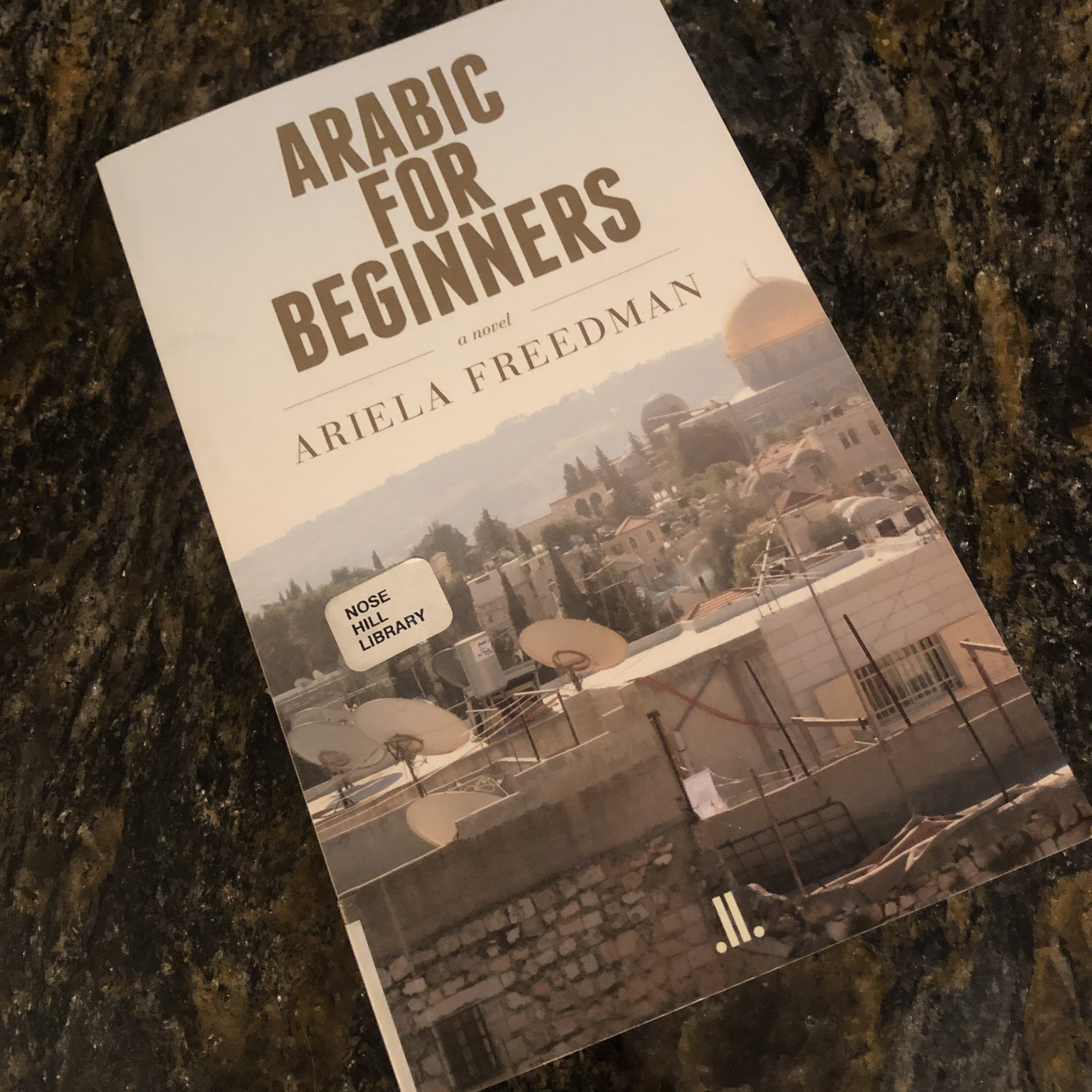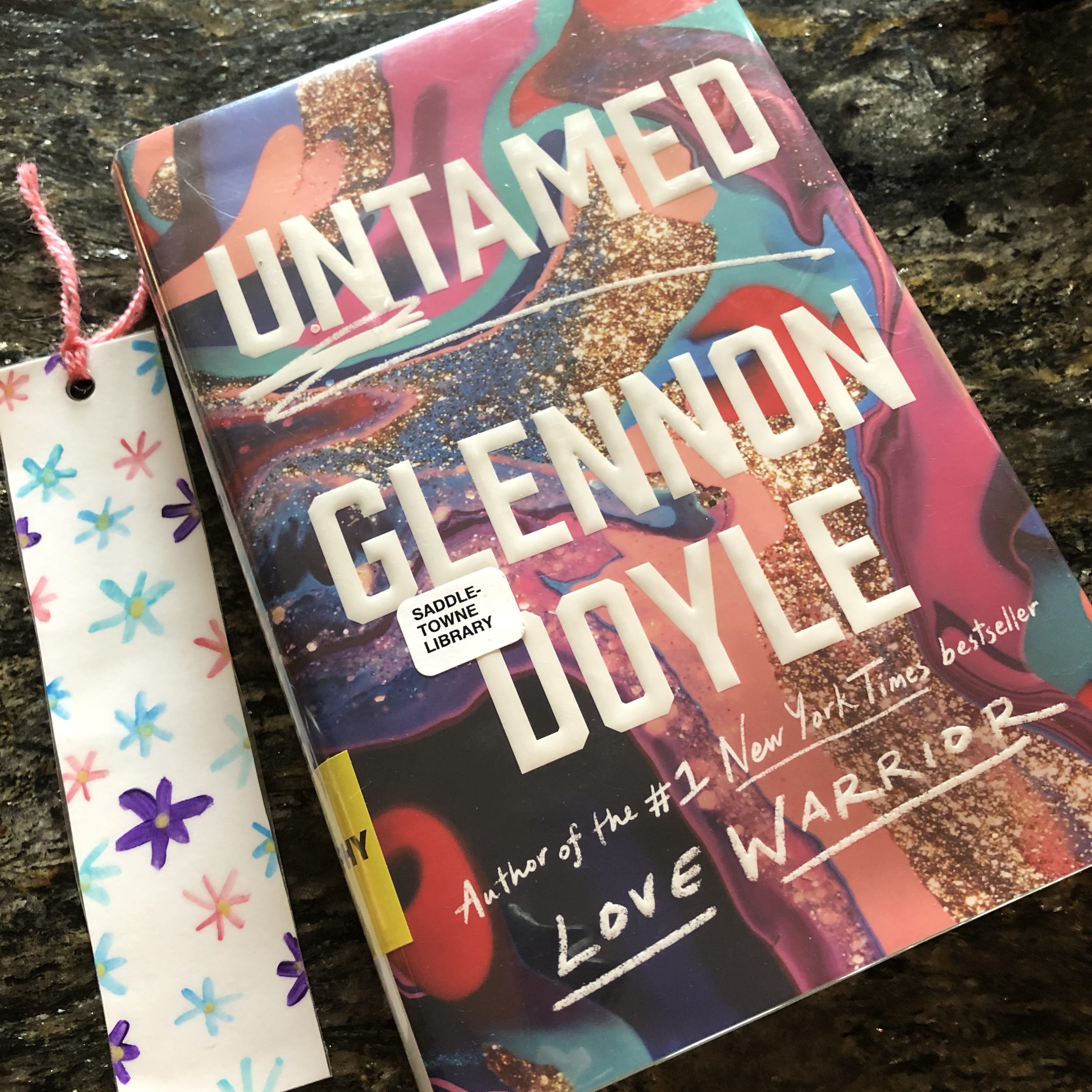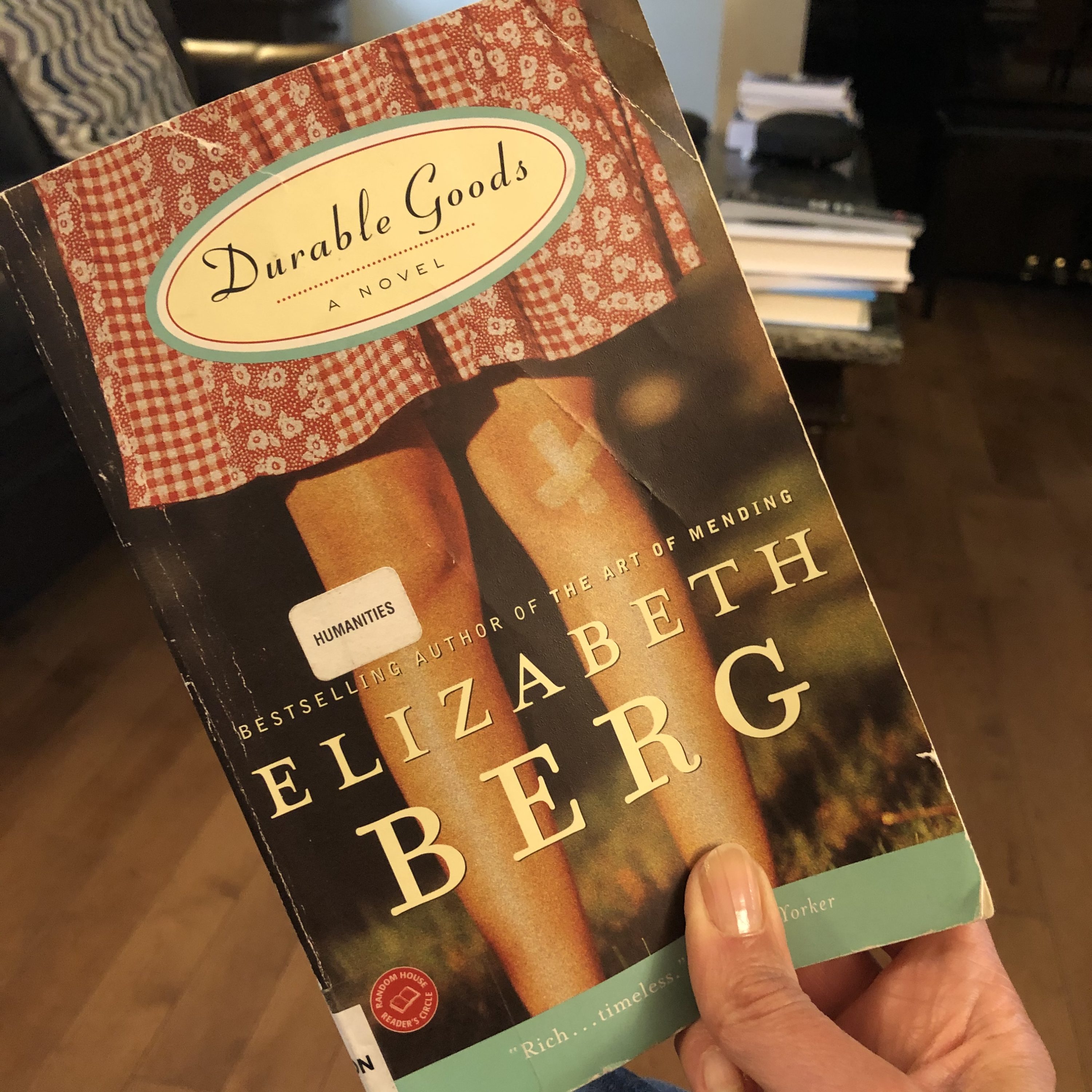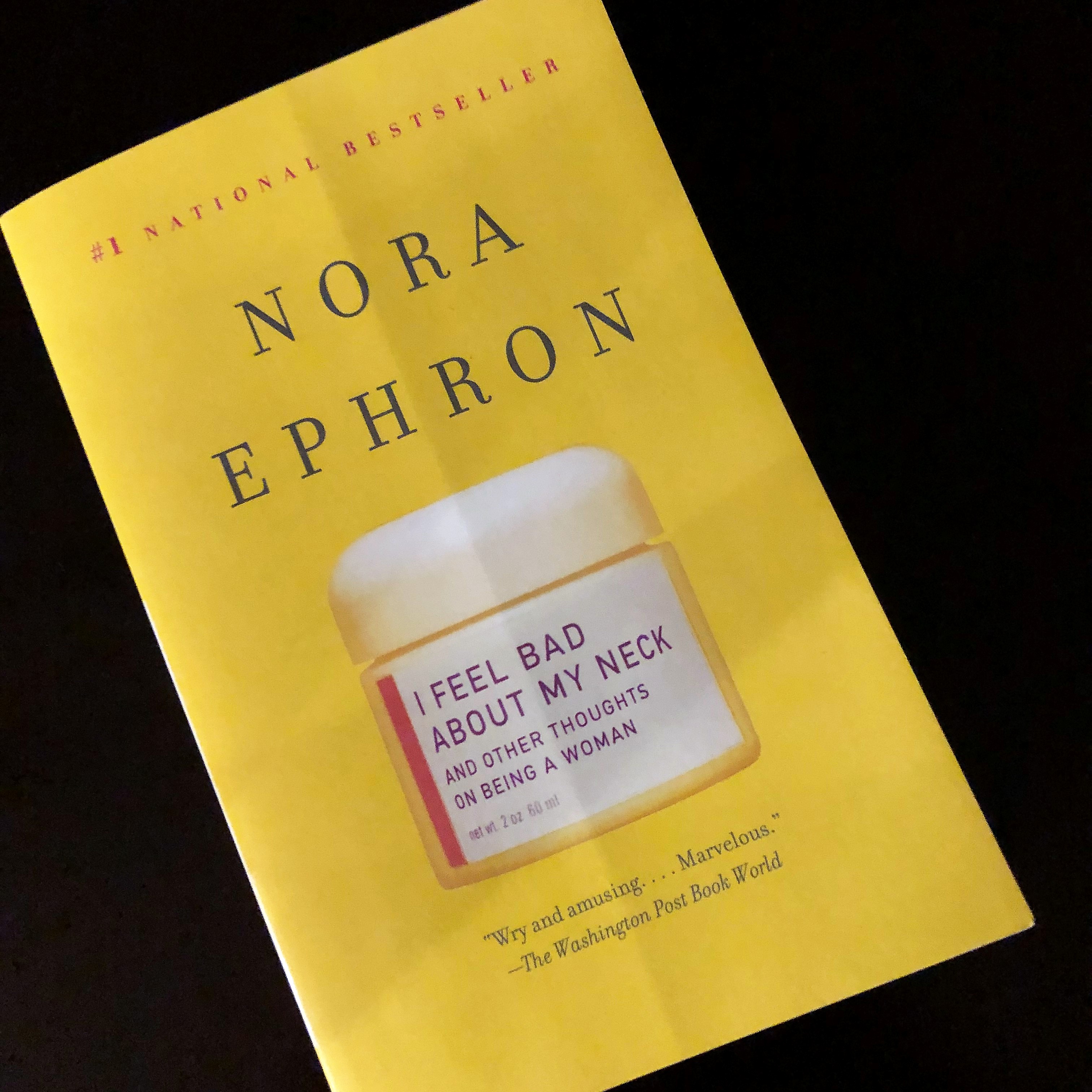
For as long as I can recall, my grandma worked on a crossword puzzle every single day. It was probably twenty-five years ago when I commented on this to her, while filling in a few of the clues myself (64 across, seven letters, second letter L, one of the Golden Girls). She told me that she needed to keep her brain sharp in her old age, and the way to do that was by a) reading books, and b) doing crossword puzzles. She was not a neurologist, and neither am I, but she was sharp as a tack, as they say, until the day she died.
Now, we’ve all read Still Alice – to this day the most beautifully terrifying book I have ever read – and so we all know that sometimes there is absolutely nothing to be done about a decline in cognitive function. Sometimes, if it’s going to happen, it’s going to happen. But I do think that my grandma was right, and it seems like researchers have confirmed her use-it-or-lose-it belief. Particularly in the case of menopausal cognitive decline, the “brain fog” and forgetfulness that come with loss of estrogen, effects can be combatted with what is called effortful cognitive activity. This is great news for anyone who has stared into space for five minutes trying to think of the word for when you have mixed feelings about something (ambivalence, that’s the word I’m thinking of).
During the pandemic I was introduced to the concept of Struggle Care, by KC Davis, and one thing that she said that has stayed with me lo these last few years is the idea of caring for yourself tenderly. Tenderly! It’s such a beautiful thing to think of and often, if I find myself straying to the self-scolding side of life, I think Nicole, be tender with yourself.
What does it mean to be tender with yourself? I almost started a joke about the definition of tender according to Webster’s Dictionary, but stopped myself just in time, you’re welcome.
Lately I have been thinking that the best way to be tender is to nourish oneself on multiple levels and in multiple ways. I came up with five categories of nourishment, and there are five Mondays in June, so I am making this into a series! A series about nourishment, in the best, most tender way. This week, if you couldn’t already tell, is all about nourishing our minds.
A small note before we begin is that all of the categories overlap, like a gigantic Venn diagram in which our whole self is the centre, affected by mind, body, soul, sleep, and connection. All of those things affect the others, which is what makes this so interesting to me. As an example, we can’t talk about brain health without discussing how sleep affects it, and researchers have also shown that effortful physical activity, social contact, and dietary habits also affect our cognitive abilities. But for now, I want to talk about the aforementioned effortful cognitive activity.
I love crossword puzzles but almost never do one, mostly because I don’t get a daily paper and the thought of doing one online is unappealing to say the least. This is the same reason I don’t do any of the Wordles or Connections or what have you, although I’m sure I would love them. I don’t need any more things that I want to maintain a daily streak.
What I have had a streak of, for 1190 days, is DuoLingo. I think learning anything new is definitely effortful cognitive activity, and I am currently refreshing my high school French along with learning Spanish and Arabic. The latter of which requires extreme effort on my part, believe you me.

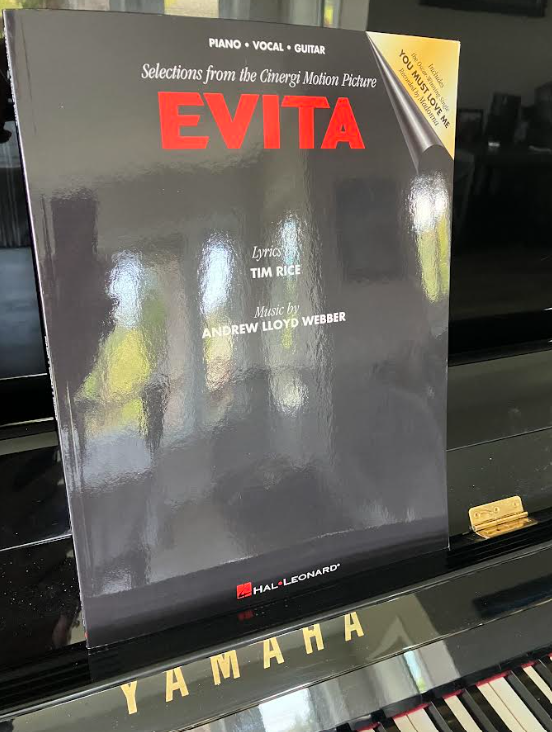
Speaking of streaks, I am now on Day 28 of the 100-Day Challenge! Some days I do not have it in me to play anything other than a piece that I know well, that my fingers can find the keys by themselves with very little brain power from me. Sometimes it amazes me that my old exam pieces, which I would have learned circa 1991, are immediately at my disposal, often without the need for sheet music. But in the spirit of brain nourishment, I have been trying new and more complicated pieces as often as I can; my new songbook arrived on Friday and it has been so fun! I’d be surprisingly good for youuuu.
Writing is good for the brain as well, particularly, for me, fiction writing. But even writing this humble blog gives me brain exercise: thinking of topics, writing, editing, etcetera. Of course, reading is great for our brains, and that brings me to…
Weekly Reading
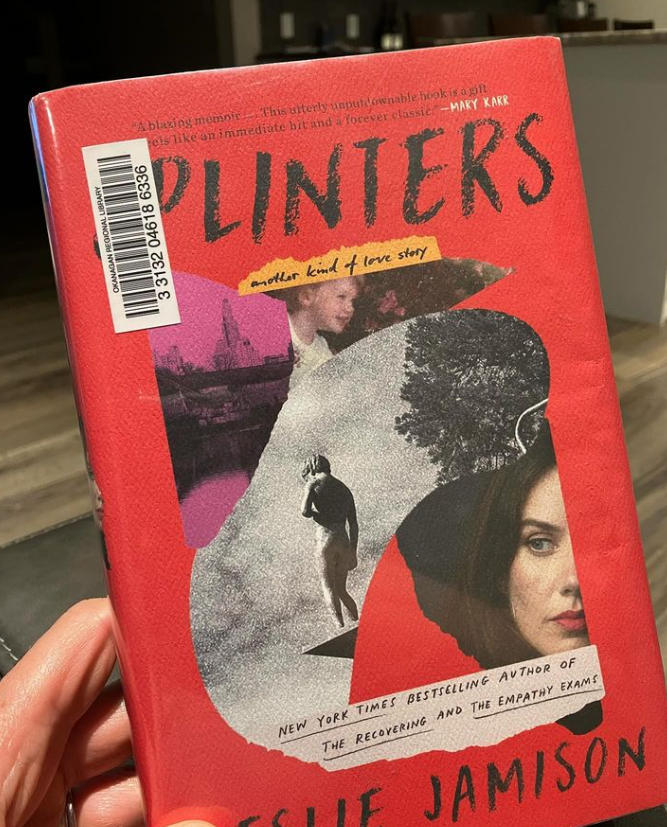
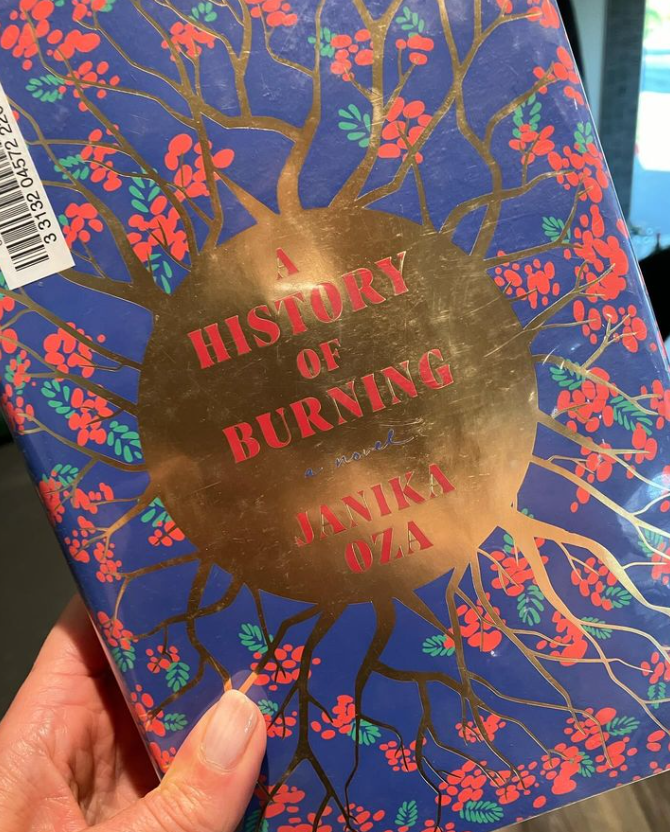
After a few weeks of pretty meh reading, I had a really great week. Readers who know me well might be surprised to see not one but TWO male authors this week. Typically if I’m reading and enjoying a book written by a man, someone in my family will ask is he gay or British? Or gay AND British? and that generally describes Men Whose Books I Enjoy Reading. I will, however, add another category: craft of writing books, as you will see.
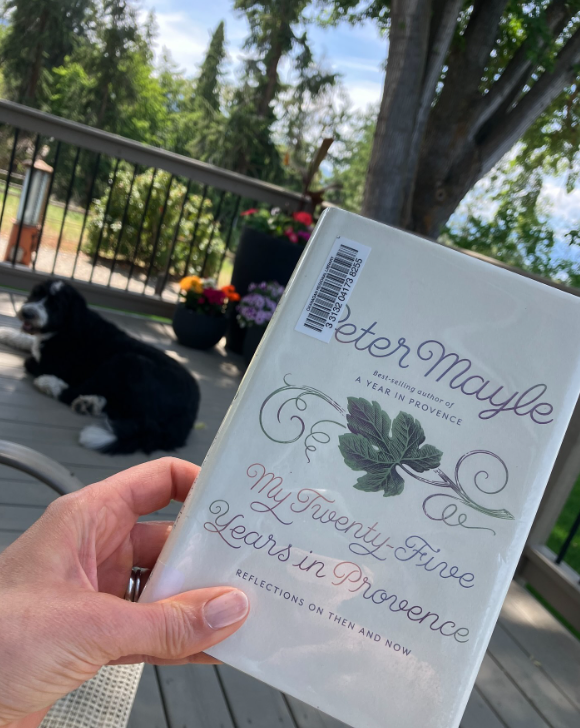
My Twenty-Five Years In Provence. I first read A Year in Provence in the late nineties, and immediately fell in love with that wonderful memoir of food, village life, and the beauty of that region in France. I really enjoyed reading this book of essays which touched on the author’s move to Provence, the writing of the memoir that would be an international hit, and the years following that celebrity. I highly recommend it for fans of Mayle – it’s not as good as the original, but it’s pretty lovely all the same.
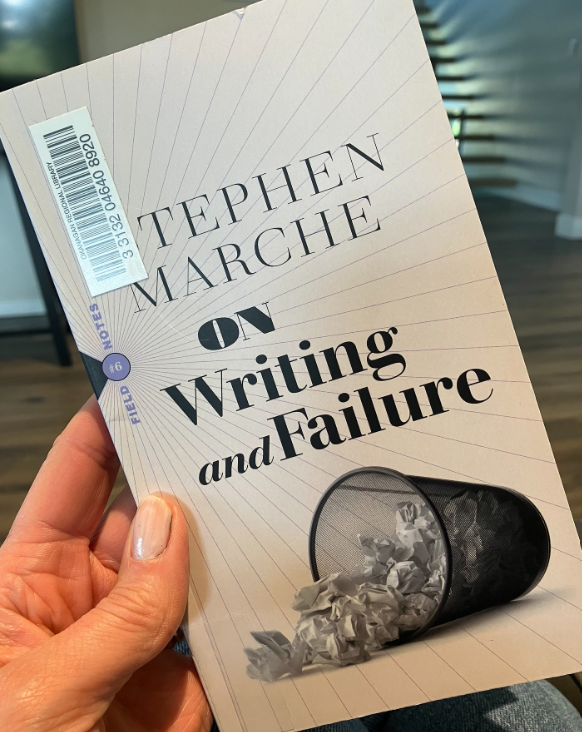
On Writing and Failure. My friend Gill, who is in my writing support group (HI GILL), recommended this book and wow, was it a hit for me. This book was exactly what I needed at the exact right time. It’s both encouraging and uplifting, which is weird, because it’s a book about writers and their constant rejections and failures. It describes writing as being trapped in a dusty abandoned hotel, slamming your shoulder against closed doors again and again, until one – unrelatedly to the doors you are slamming your shoulder against – opens. The author describes the relentless rejections of all writers, and says if it was that way for Hemingway, why would it be any different for you? He also points out that even if a writer is not rejected or experiencing failure, their work could be forever misunderstood, as in the case of Animal Farm, which was written in 1943 as an anti-Stalinist piece. Since the world was still onside with Uncle Joe at that time, it didn’t get published until AFTER the war, at which time it was touted as anti-Communist literature, to go with the general feeling of Red Panic. Also, Gulliver’s Travels was meant as incisive satire and ended up being a children’s story. Whoops. (or, as Julie would say, whops. HI JULIE). Anyway, this book is incredibly funny and really relatable on a number of levels, and I recommend it for anyone who wants to get published.
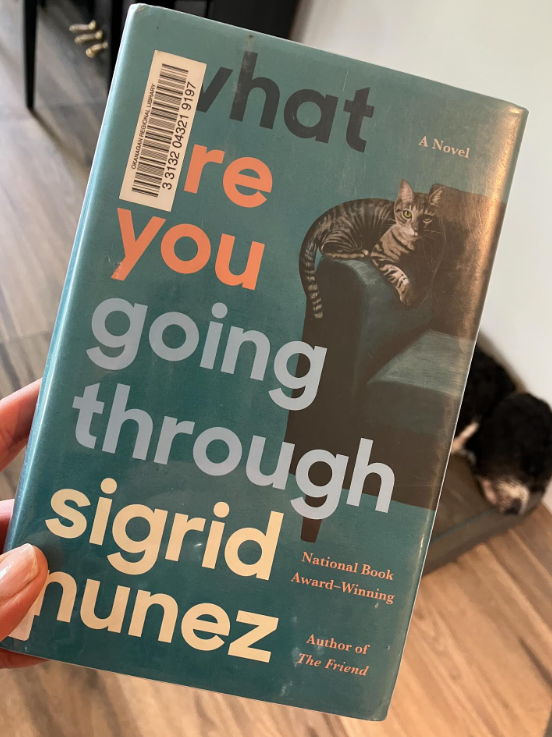
What Are You Going Through. The title alone is something we should think about in any interaction with any other person. Everyone is going through something. When Suzanne (HI SUZANNE) mentioned this book, by the author of The Friend, I knew I had to read it. Every single word in this book is so carefully chosen, so artfully woven together. I love her writing style immensely, and I read this slowly, savouring every sentence. This is a beautiful book about humanity, about how we are all going through something, together yet apart. If you are a person who needs a thick plot and a lot of action, this book will not be for you. But if you love deep characterizations and emotionally moving themes, then you will love it. It’s about aging, life, death, and the end of the world as we know it, which sounds dreary but is incredibly hopeful and gorgeous. It is heartbreakingly sad, but beautiful.
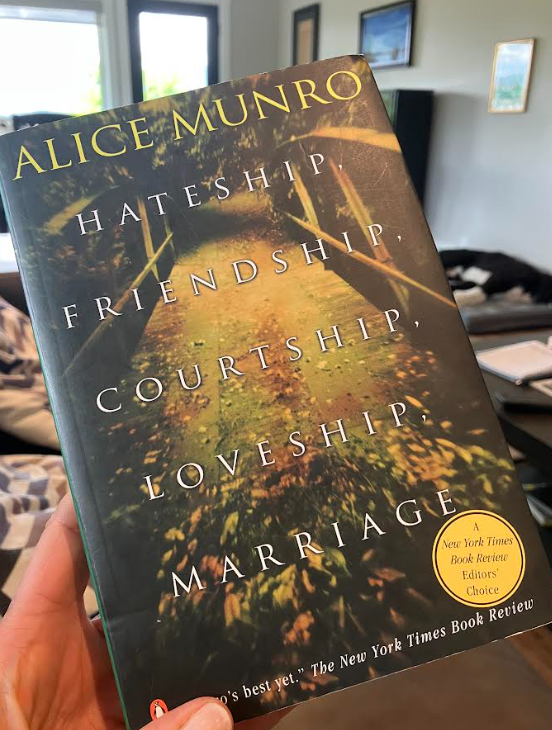
Hateship, Friendship, Courtship, Loveship, Marriage. Speaking of heartbreakingly sad, and also of cognitive decline, the final short story in this very excellent collection is about a woman whose husband puts her in a home for people with dementia. What seems straightforward on the outside is revealed to be a karmic revenge on the man for his many indiscretions; this short story was made into a movie called Away From Her, which I have never seen. It wasn’t this story that made me pick up the collection, though, it was because I had a sudden and desperate craving to reread the story Family Furnishings, and of course ended up rereading the entire book. The title story is a really incredible one about a chance encounter leading to a whole new life, and the story What Is Remembered is probably the best short story ever about an extramarital affair. All the stories have to do with choices and how often we can change the entire trajectories of our lives by choosing a particular path. This might be my favourite of Munro’s collections. It’s so moving and intriguing.
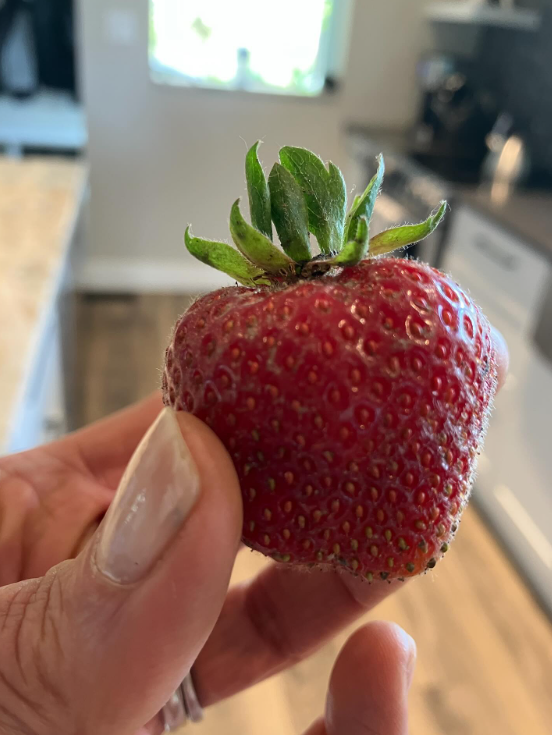
Happy June, friends! We had our first strawberries this week, which were a complete delight. The library parking lot is filled with red roses, and it adds a certain magic to just picking up a book. More magic than books normally give, that is! I hope you have lots of lovely magic in your life right now. Keep nourishing those big beautiful brains, my friends. xo